Coordinating Live Poker Tournaments with Digital Platforms Using Advanced Scheduling Software
Written by Jordan Ludwig · Sep 15, 2026
Coordinating Live Poker Tournaments with Digital Platforms Using Advanced Scheduling Software
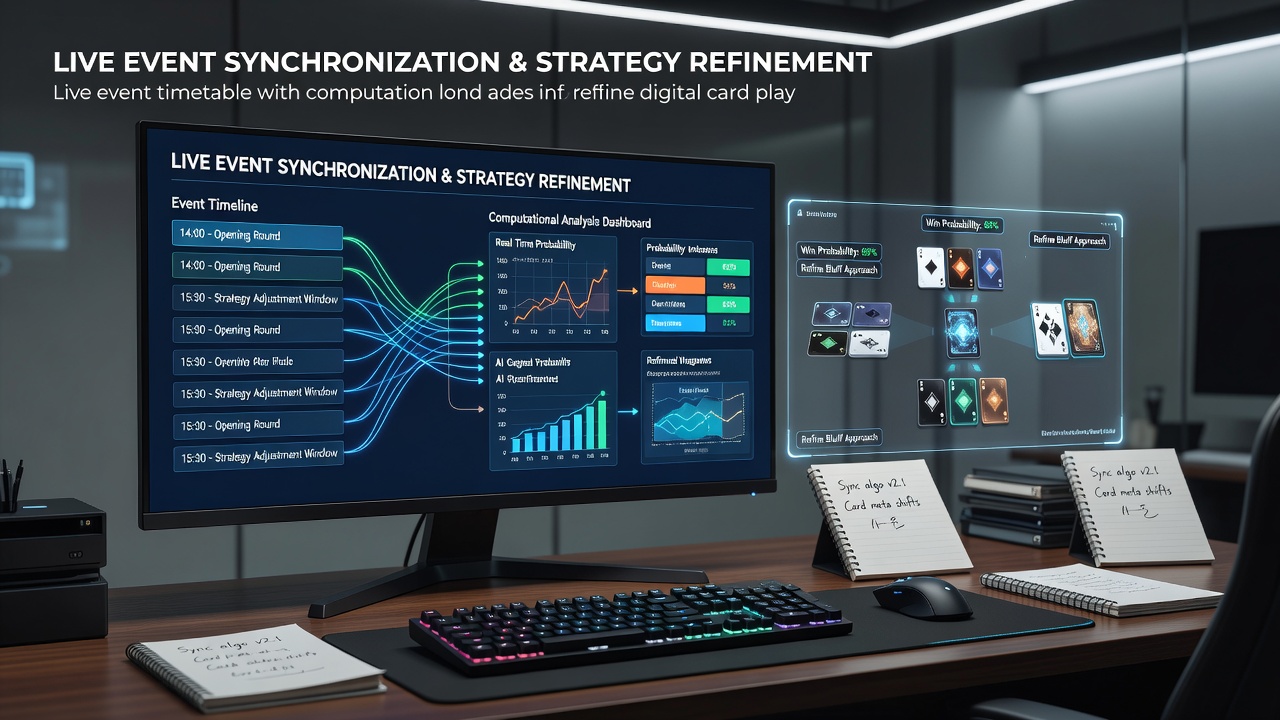
Computational systems now align live tournament timetables with digital card platforms through integrated algorithms that process registration data, player movement patterns, and real-time availability metrics, and these tools draw from established database management practices across gaming industries. Researchers at institutions focused on operations research have documented how such synchronization reduces scheduling conflicts while allowing participants to transition between physical and virtual formats without losing continuity in their competitive sequences.
Core Mechanisms Behind Timetable Synchronization
Software platforms collect inputs from multiple sources including venue calendars, player profiles, and historical participation records, then apply optimization routines to generate unified schedules that account for time zone differences and event durations. Data from large-scale implementations show that these methods cut overlap incidents by measurable percentages when compared against manual planning approaches used in earlier decades, and observers note that the same frameworks support adjustments during active events when delays occur at one location.
Integration layers connect these systems to online poker interfaces so that registered players receive automated notifications about upcoming segments across both live and digital environments, and this linkage relies on standardized APIs that maintain security protocols while exchanging only essential timing information. Studies conducted by academic teams have examined the underlying graph theory models that treat each event slot as a node with constraints on player capacity and sequence order.
Application in Digital Card Play Refinement
Players access refined strategy modules that incorporate live timetable data to simulate scenarios where they must switch between formats mid-series, and these modules run Monte Carlo simulations adjusted for the specific timing windows provided by the synchronization layer. Evidence from industry reports indicates that participants who utilize these combined resources demonstrate improved decision consistency across sessions because the computational aids account for fatigue factors tied to travel and transition periods.
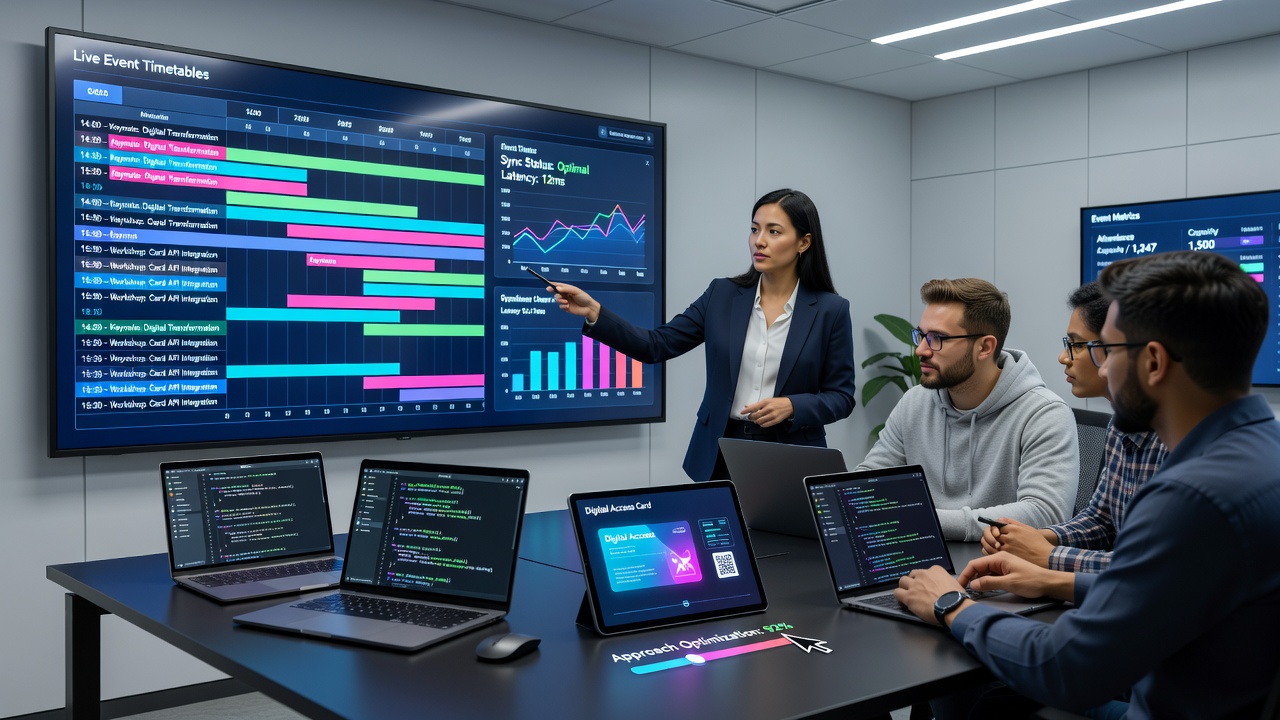
In September 2026 several major circuits plan expanded multi-venue operations that will test these integrated systems at larger scales, and preliminary models suggest the software will handle increased participant volumes by dynamically reallocating tables and online seats based on live updates. Regulatory bodies such as the Nevada Gaming Control Board have outlined technical standards that govern how such platforms must log data exchanges to ensure transparency during high-stakes periods.
Supporting Infrastructure and Data Sources
Database architectures store timetable information alongside performance metrics from prior events, allowing algorithms to predict bottlenecks and suggest alternative routing for players, while machine learning components refine these predictions after each completed cycle. According to analysis published through resources at Nevada Gaming Control Board documentation, compliance frameworks require audit trails that track every schedule modification generated by the computational tools.
Additional validation comes from research compiled by groups like the European Gaming and Betting Association, which has examined cross-platform coordination in controlled environments and reported consistent gains in operational efficiency when automated aids replace fragmented manual processes. Those implementations typically begin with pilot programs at smaller regional events before scaling to international circuits.
Conclusion
The combination of timetable synchronization tools and digital card play systems continues to evolve through iterative updates that incorporate feedback from deployed events, and ongoing data collection supports further refinement of the underlying models. Observers tracking these developments note that the core value lies in the consistent application of computational methods across both physical and virtual domains rather than isolated improvements in either area alone.